Miscellaneous SIX Stuff

Fuselage Buzz Numbers

In the years immediately following World War 2, many USAAF/USAF aircraft used markings that would make it possible to identify low-flying aircraft from the ground. This was intended to discourage the unsafe practice of pilots of high-performance aircraft making low passes (colloquially known as "buzzing") over ground points. Consequently, these numbers came to be known as buzz numbers. The F-106 carried two different buzz numbers; An early F-102B buzz number and a later F-106 number

Site Credits & Promo's

F-106deltadart.com is credited with photos and information as a resource for the following books and videos. Thanks all!

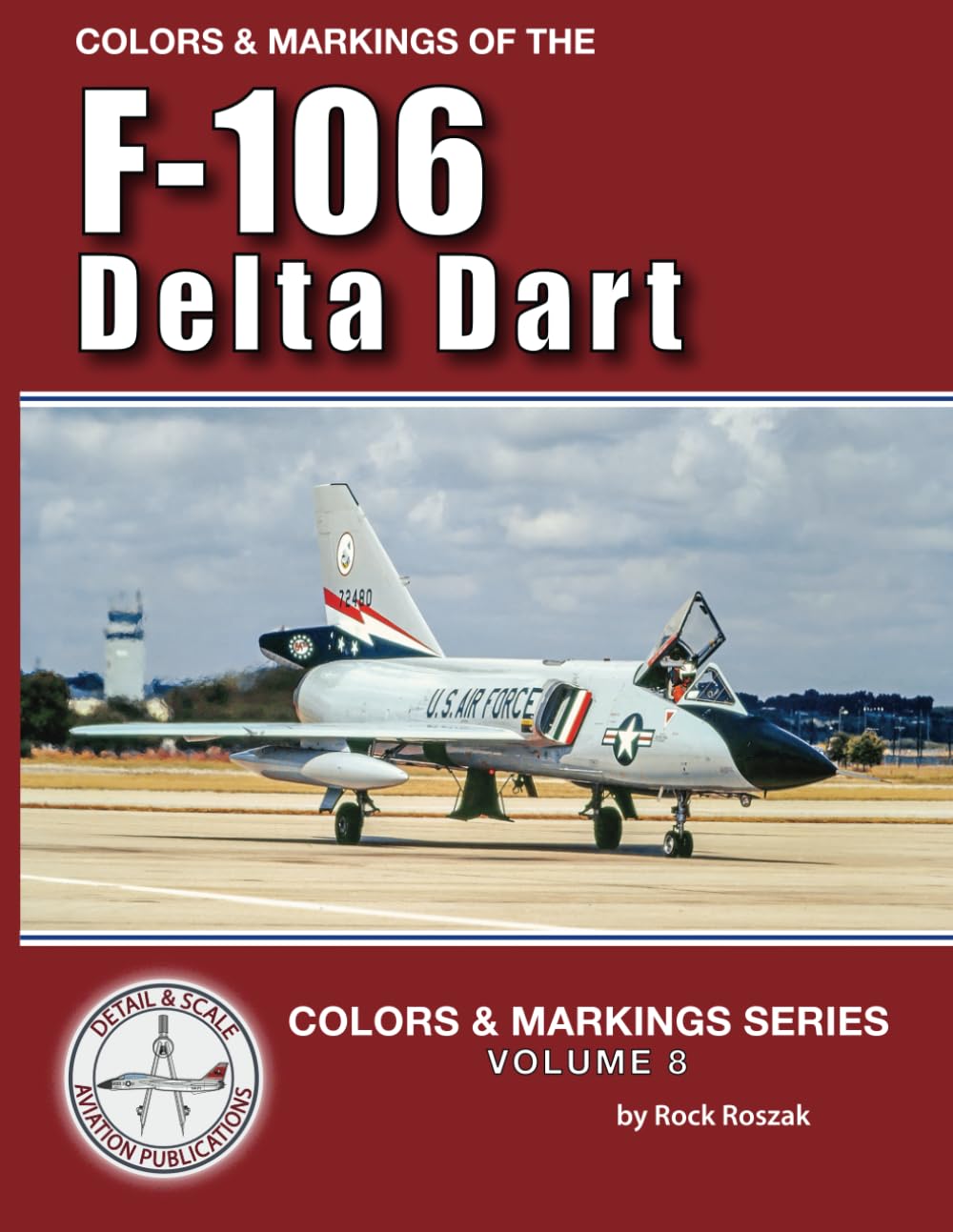
Colors & Markings of the F-106 Delta Dart by Rock Roszak


Colors & Markings of the F-106 Delta Dart (Colors & Markings Series)

by Rock Roszak
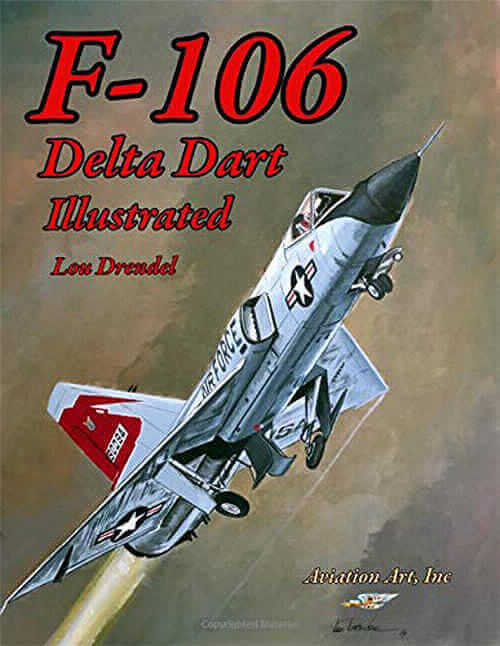
F-106 Delta Dart Illustrated

Colors & Markings of the F-106 Delta Dart provides a historical perspective on the paint schemes and colorful markings used on this fascinating aircraft, the only Century Series fighter that operated throughout its career in the same functional and highly visible paint scheme.


F-106 Delta Dart Illustrated

by Lou Drendel 2019
F-106 Delta Dart Illustrated

F-106deltadart.com proud to be Mr. Drendel's primary research data source


Millennium 7 * History Tech

Military history from slightly unusual point of views

F-106deltadart.com proud to be Millennium 7* research data source and publicly thanked on his YouTube Channel

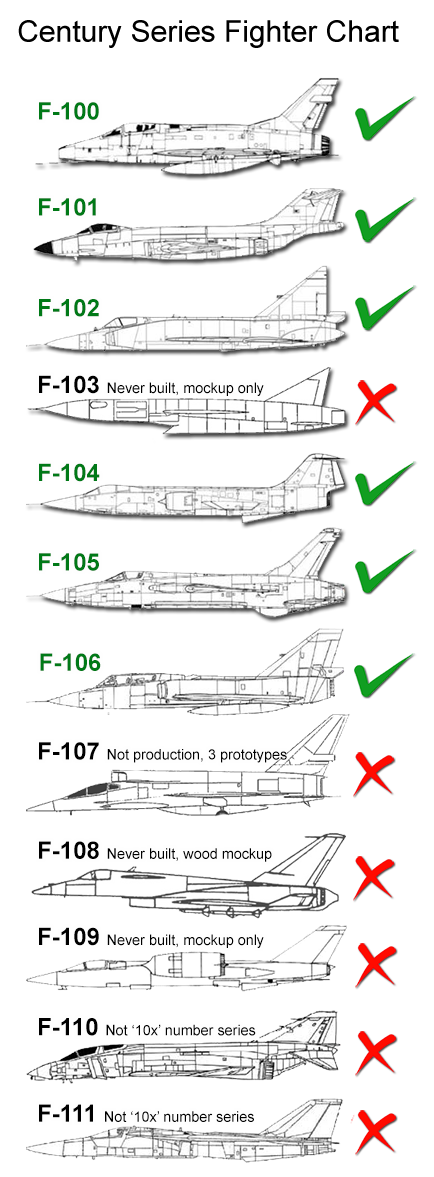
What is a Century Series Fighter?

The Century Series fighters are a group of 6 U.S. full production fighter jets that were numbered F-100, F-101, F-102, F-104, F-105 and F-106.

Although these were considered "2nd Generation" fighters, sharing common technology, the basis for this club was actually the "10x" numbering of full production aircraft. Of note, 2nd generation aircraft were not limited only these 6 Century Series fighters. The 2nd Generation generally spans an era from the mid-1950's to the mid-1960's when military fighter jets made leaps in technical advancements including engine design, aerodynamics, metallurgy, electronics and weapons systems. 2nd generation aircraft generally could maintain speeds over Mach 1 in level flight. Swept wings became the norm and delta wings came into play with their Area Rule 'coke bottle' shaped fuselages reducing drag. Traditional guns became uncommon and were replaced by air-to-air missiles, some with nuclear tips.

There were other "hundreds" numbered aircraft under development during this Century Series timeframe to include the F-103, F-107, F-108 and F-109, however none of them were ever produced, some never even built.

And the F-110 (later becoming the F-4) and numbers higher were not part of the 10x series numbering sequence.

F-106 Artwork